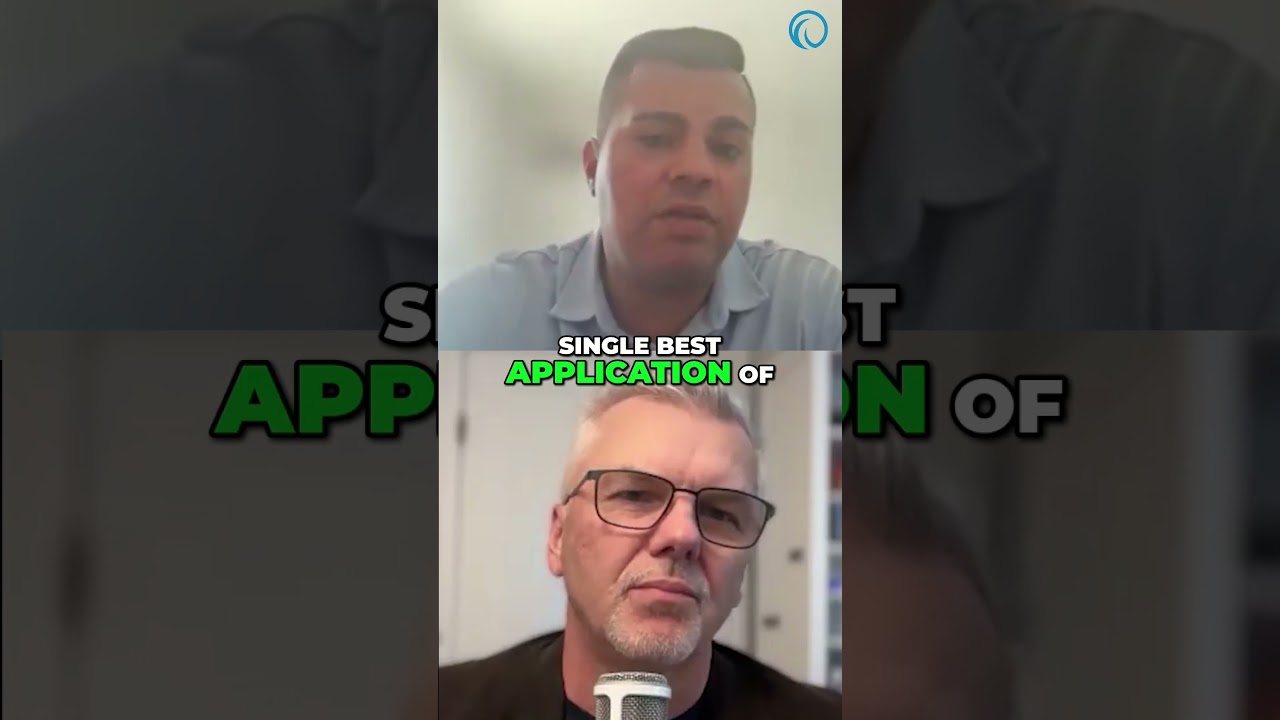
AI + Operations Research = Smarter decisions.
Operations research provides optimisation methods while AI adds flexible intelligence. Together they can evaluate many variables to support better business decisions.
YouTube Shorts / Page 2
Videos from Skillion AI Labs on practical AI, workflow design, and venture building.
Shorts

Operations research provides optimisation methods while AI adds flexible intelligence. Together they can evaluate many variables to support better business decisions.

This short excerpt considers how AI changes creative work and why adapting does not remove the value of human storytelling and performance.

AI's growth increases data-centre electricity demand, making energy prices and environmental impact part of the conversation about responsible adoption.

This short highlights practical ways AI is already being applied across pharmaceutical and healthcare work beyond the industry's headline claims.

This short introduces an operations-research approach that combines optimisation and AI to reduce costs in a real business example.

Demand for chips, data-centre capacity and electricity is rising with the AI boom. This short connects that demand to higher technology and energy costs.

Effective AI adoption takes more than deploying chatbots or giving everyone Copilot. This short argues for a strategic programme that begins before results are urgent.

Before rolling out AI, decide the business outcome, define the expected return, require audit trails for critical workflows and begin early.

Some large companies are moving beyond isolated AI tools and redesigning workflows around AI from the top down and bottom up.

A healthcare AI system flagged a hidden blood clot on a routine CT scan and prompted a radiologist to review an image that might otherwise have been missed.

AI can help large companies lower costs, move faster and improve services, increasing pressure on smaller businesses to adapt deliberately.

Physician, researcher and founder Rachel Draelos shares what building healthcare AI looks like in practice and where implementation differs from public debate.

A simple question about whether to walk or drive 100 metres produces an unnecessarily elaborate ChatGPT answer, illustrating how AI can overcomplicate a task.

Pete Cooper walks through an office AI designed for him, admiring the view, the plants, the coffee area and the shelving, right up until he reaches the fixture nobody asked for. A fifteen-second visual gag about confidently generated output.

Petar Lazic explains how ambient listening technology can reduce the time clinicians spend documenting patient interactions after appointments.

Different AI assistants are better suited to different tasks. This short argues against choosing one tool by default and encourages matching the model to the job.

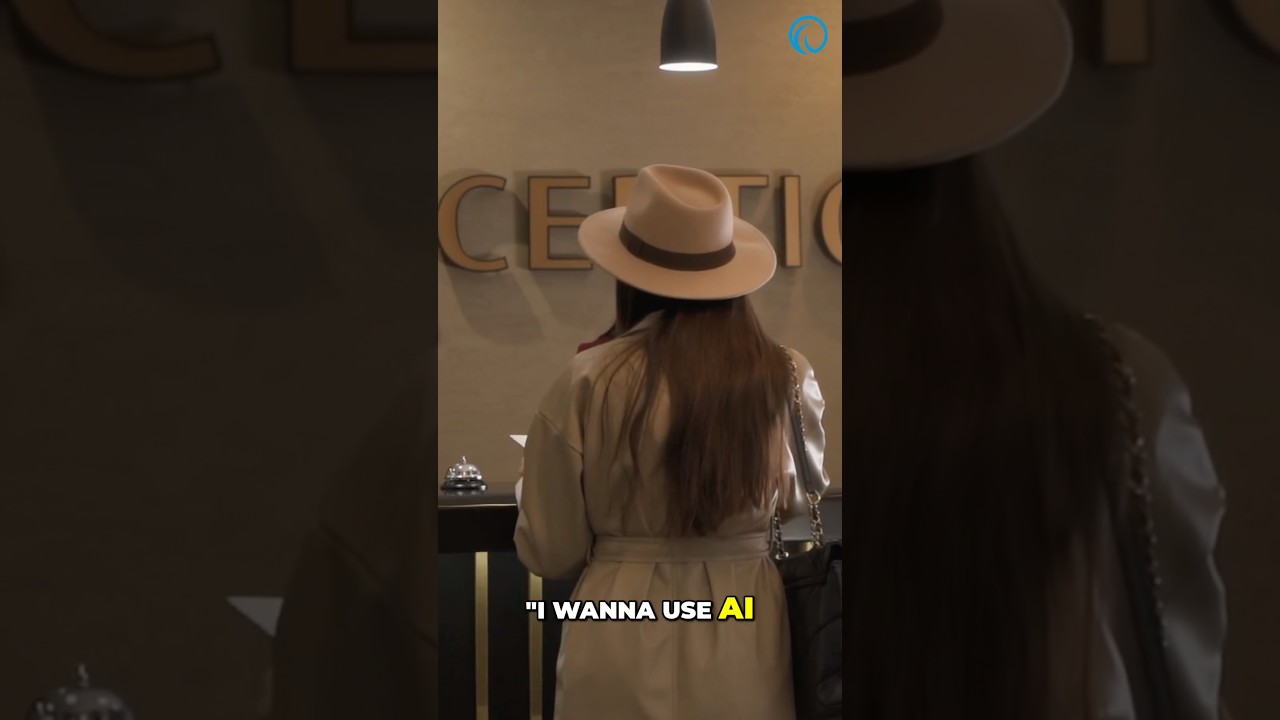
Replacing a receptionist involves more than adding a chatbot: integrations, judgement and human interactions all need to be considered and designed explicitly.

This short offers a practical warning for founders: treat upfront payment requests as a red flag and test whether an intermediary will work on commission.

A founder recounts a suspected investor scam where the contact's name did not match and they showed little knowledge of the company, revealing several red flags.

Petar Lazic argues that ambient listening is a particularly valuable healthcare use of AI because it can reduce note-taking and let clinicians focus more fully on patients.